Advanced Searching
- Admin2 (Unlicensed)
- RPT Admin (Unlicensed)
Boolean Searches
A Boolean search is a type of search that allows users to combine key words or phrases with operators such as AND, OR or NOT to produce more relevant results. Note: by default, the search engine in Confluence will perform a Boolean OR search of all words entered in the search field if you simply type two or more words into the field. Therefore, if you want to only find pages with both or all of the words searched against in them, you must use the Boolean operator AND to separate the words searched against.
For example, a Boolean search could be discharge AND servitude. This will limit the search results to list only those page matches that contain both of those words. Some examples of Boolean searches are given below:
AND searches
To search for pages that have both the words notice and payment in them, use the operator AND in capital letters:
notice AND payment |
NOT searches
To search for pages that have the word notice in them, but not the word grant, use the operator NOT in capital letters:
notice NOT grant |
Structured Searches
Matched Phrase Search
To search for the phrase standard security, you might type:
"standard security" |
into the search box. This search will return a list of pages where the two words searched for are immediately adjacent to each other, but NOT any pages where they both appear but are separated by any other words (including stop words).
Note:
You MUST use "double quotes" around your search terms to carry out a Matched Phrase Search. If you only use 'single quotes', the Confluence search engine will instead return a list of pages that contain any or all of the words contained within the 'quotes'.
You CANNOT perform a Matched Phrase Search in Confluence for any phrase that includes stop words as these are ignored, e.g. a search for:
"discharge of servitude" |
will give unpredictable results and will likely return "No results found" as it is unlikely that any page will be found with the words discharge and servitude immediately adjacent to each other.
If there are any stop words in the phrase that you want to search for, you must perform a Proximity Search instead.
Proximity Search
Use a tilde ( ~ ) character immediately followed by a number to find two words within that number of words of each other. The two words being searched for MUST have "double quotes" around them for a Proximity Search to work correctly.
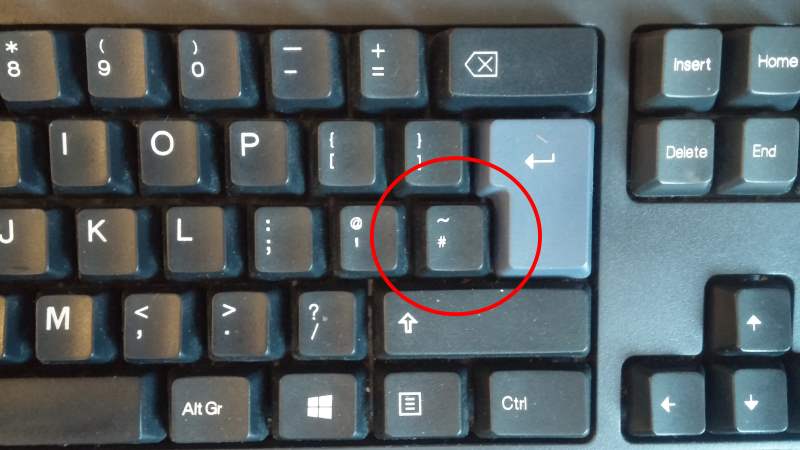
For example, the following search terms will return a list of pages with the phrase discharge of servitude in them, but NOT those with discharge and renunciation of servitude in them as the words searched for are separated by more than one word:
"discharge servitude"~1 |
To search simultaneously for both of the phrases Notice of Payment of Repairs Grant and Notice of Payment of Improvement Grant, you could use the following search terms:
"Payment Grant"~2 |
Note:
The following search is not valid as you can't search for two words within zero words of each other:
"standard security"~0 |
To find two words that appear immediately adjacent to each other in the page, you should perform a Matched Phrase Search.
Combined Searches
To search for pages with the word notice but NOT the word grant, but which MUST also contain the word title, simply combine these words together in a complex Boolean Search:
(notice NOT grant) AND title |
To search for pages with both the word discharge AND the phrase standard security, combine a Boolean Search with a Matched Phrase Search:
|
To search for pages with the phrase discharge of standard security, combine a Proximity Search and a Matched Phrase Search with a Boolean Search:
"discharge standard"~1 AND "standard security" |
estricting Searches to Page Titles Only
To search for pages with eFin in their title, title: is the field key to use:
title:eFin |
To search for a page with the phrase Standard Security in its title:
title:"Standard Security" |
The field key specification applies only to the search term directly following the colon. For example, the query illustrated below will search for Standard (on its own) only in the page title field, but will search for Security (on its own) anywhere in the page:
title:Standard Security |
In other words, the above search will return a list of results with the word Standard in the page title AND/OR the word Security anywhere in the page (including if it is in the page title).
Restricting Searches to a Single Section of the Manual
Enter your search terms into the search field on the "Home" page for the relevant section of the manual, or into the relevant search fields below:
Further Guidance
Reference Materials
Wildcard Searches
You can use one or more wildcard characters in your search and place them anywhere in the search string, except at the very beginning of the string. So, you could search for http*.atlassian.*, but you can't for example search for either *.atlassian.* or ?ttps://confluence.atlassian.* as they both begin with a wildcard. Wildcards can replace either a single character or multiple characters in your search.
Single character
To replace a single character in your search, use a question mark ( ? ) as a wildcard. For example, to search for butter, bitter and/or batter:
b?tter |
Multiple characters
To replace multiple characters in your search, use an asterisk ( * ) as a wildcard. For example, to search for chicken or chickpea:
chick* |
You can also combine wildcard characters in a single search. For example, the search term illustrated below will return chick, but not chickpea:
c*c? |
Fuzzy Search
Use a tilde ( ~ ) character to find words with similar spelling, or if you are unsure of the correct spelling of a word. If you want to search for registerable but you're not sure how it should be spelled [ registrable ] , type the word followed by a tilde ( ~ ):
registerable~ |
Date Range Search
To search for content 'created' within a certain date range, use the field key 'created:'. The dates must be entered in numeric "yyyymmdd" format:
created:[20150105 TO 20150220] |
Note: the date that a page in the manual is stated to have been created will in fact normally reflect the date that that page was last updated.
Registers of Scotland (RoS) seeks to ensure that the information published in the 2012 Act Registration Manual is up to date and accurate but it may be amended from time to time.
The Manual is an internal document intended for RoS staff only. The information in the Manual does not constitute legal or professional advice and RoS cannot accept any liability for actions arising from its use.
Using this website requires you to accept cookies. More information on cookies.
Feedback